

Using soybeans as a base for vegan cheese is nothing new. However, harnessing the soy plant to replace the cow in the production of dairy proteins is novel. Magi Richani, founder and CEO of pioneering food-technology startup Nobell Foods, calls this process PGP (or “plant-grown protein”) and it has the potential to change the way dairy is made for good.
“What’s unique about Nobell is we’re pioneering a new category in food with PGP and it’s the world’s most efficient protein factory,” Richani tells VegNews.
 Nobell Foods
The key here is the production of casein, a functional milk protein that is responsible for the melty, stretchy, and overall “cheesy” qualities of dairy cheese.
Northern California-based Nobell discovered a way to recreate the genetic code for the functional milk protein in soybean seeds, which it grows into plants that have the same dairy caseins found in animal milk. Nobell then extracts the caseins to create a variety of dairy-identical cheeses, all without the need for farming animals.
Harnessing plants to make casein
Why use soy plants to make cheese? The legumes deliver a punch of protein (36 to 43 percent in total) and are easy to scale as the infrastructure for growing soy is already in place.
Approximately 90 million acres of land are dedicated to growing soybeans in the United States alone. The majority of these soybeans (approximately 70 percent) are grown for animal feed, an inefficiency Nobell’s process aims to solve.
Richani explains that cows are fed approximately 6 kgs (13.2 pounds) of plant protein to produce 1 kg (2.2 pounds) of dairy protein. It also takes on average 600 liters (158.5 gallons) of water to produce 1 liter (a quart) of milk. “Sourcing proteins is based on an antiquated model—grow plants to then feed these plants to animals to then feed the animals nourished by plants to people,” she says.
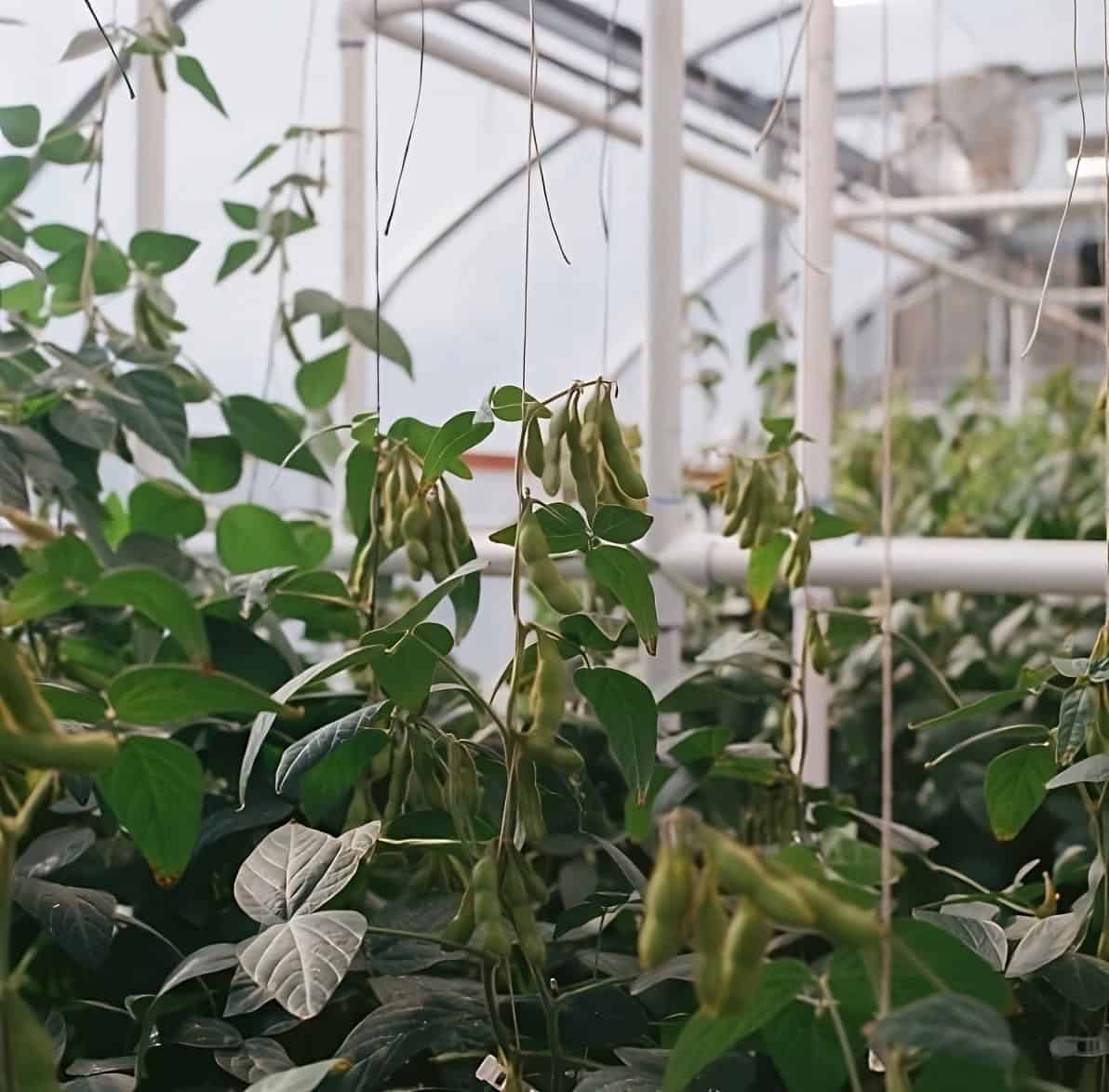 Nobell Foods
What Nobell’s process does is remove the cow as the middleman in…
..
[ad_2]