

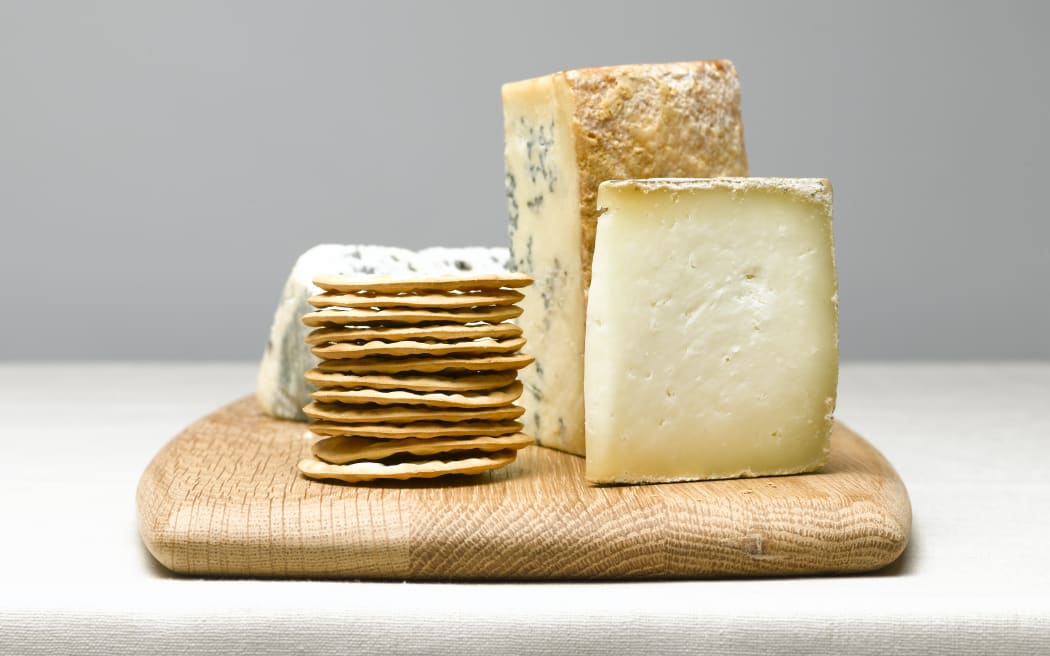
A generic image of cheese that probably was not left in a car for nearly two full days.
Photo: 123RF
First person – Mornings are hard enough, but my Wednesday got worse when I found a 150 gram block of hard Italian cheese stuck in the back of my car boot, one day, 11 hours, and 55 minutes after leaving the supermarket where I bought it.
I immediately found myself stubbornly stuck in denial, the first of the famed five stages of grief. Surely it wouldn’t be too bad, maybe I could still eat it?
Full of hope (and perhaps a bit of stubbornness – it cost $10) I decided to ask cheese expert James Thomas to see if I really had to throw it out.
Thomas made it clear to me he was no expert in food safety, just cheese, but he would happily eat it.
“Grana Padano is a style of cheese that’s 500 or 600, maybe 1000 years old. These are cheeses that were invented or created regionally for the very reason that there was no refrigeration.”
Question is, was this cheese invented to be left in a hot car while I happily went and lived my life unaware of the misfortune befalling me?
Thomas said the car did change things.
“That’s when you’re starting to get to the sort of physical chemical properties. It depends how it’s packaged; you can get sweating, you can get oiling,” Thomas said.
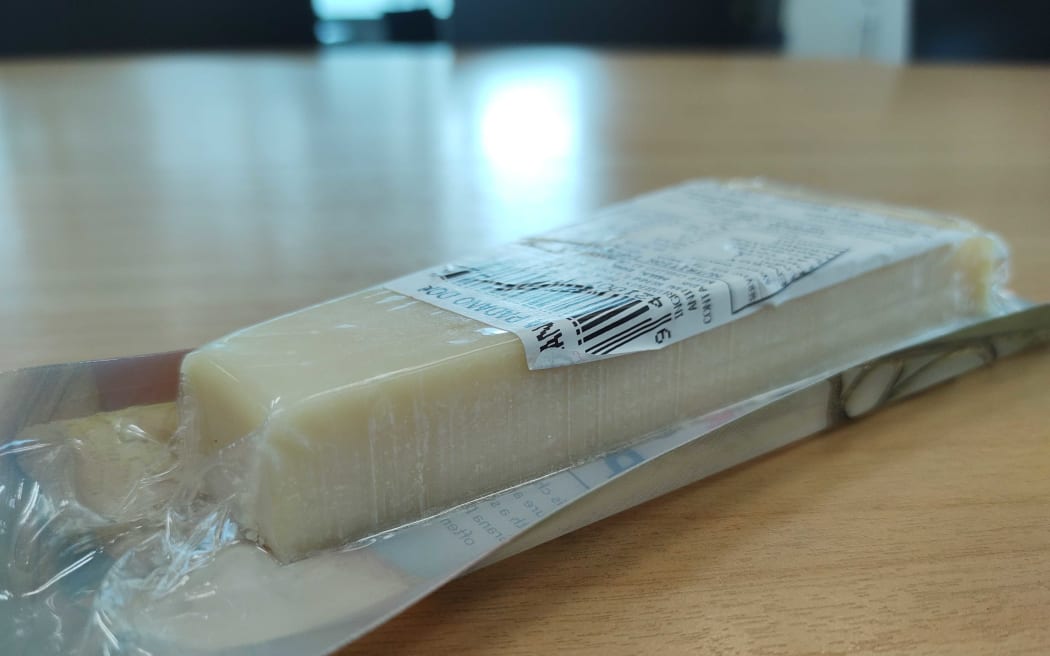
Cheese that definitely did spend almost two full days in a car.
Photo: RNZ/Katie Fitzgerald
I pressed Thomas about other kinds of cheese too. What about a brie, or a camembert? I’m not about to leave it in my car, but what if it’s on a cheese board for a little bit?
Thomas said a room temperature cheese could often taste better and have a better texture, but soft cheeses lasted a shorter time than harder cheeses.
It was at this point of the conversation where the “p” word came up – pathogens. Thomas said room temperature cheese was tasty, and he was willing to eat it outside the fridge until he did not want it anymore, but pathogenic bacteria is another story.
Feeling like I need to talk…
..
[ad_2]